Vision-related problems are rising rapidly in India’s national capital, New Delhi, with nearly 30% of the population affected by some form of visual impairment, according to a recent study.
Experts say that changing lifestyles, prolonged screen time, and excessive use of electronic devices such as smartphones and computers are among the key factors contributing to the growing eye health concerns in the city.
AIIMS Report Highlights Eye Health Challenges
The findings were revealed in a report submitted by the Department of Community Ophthalmology at the Dr. Rajendra Prasad Centre for Ophthalmic Sciences, part of the All India Institute of Medical Sciences.
The study was conducted using the Refractive Error Situation Analysis Tool (RESAT) developed by the World Health Organization.
The report provides a detailed assessment of eye care services, challenges, and future needs related to refractive errors in the National Capital Territory of Delhi.
Changing Lifestyle Major Cause of Vision Problems
According to Dr. Praveen Vashisht, head of the Community Ophthalmology Department, lifestyle changes have become a major contributor to vision problems in the city.
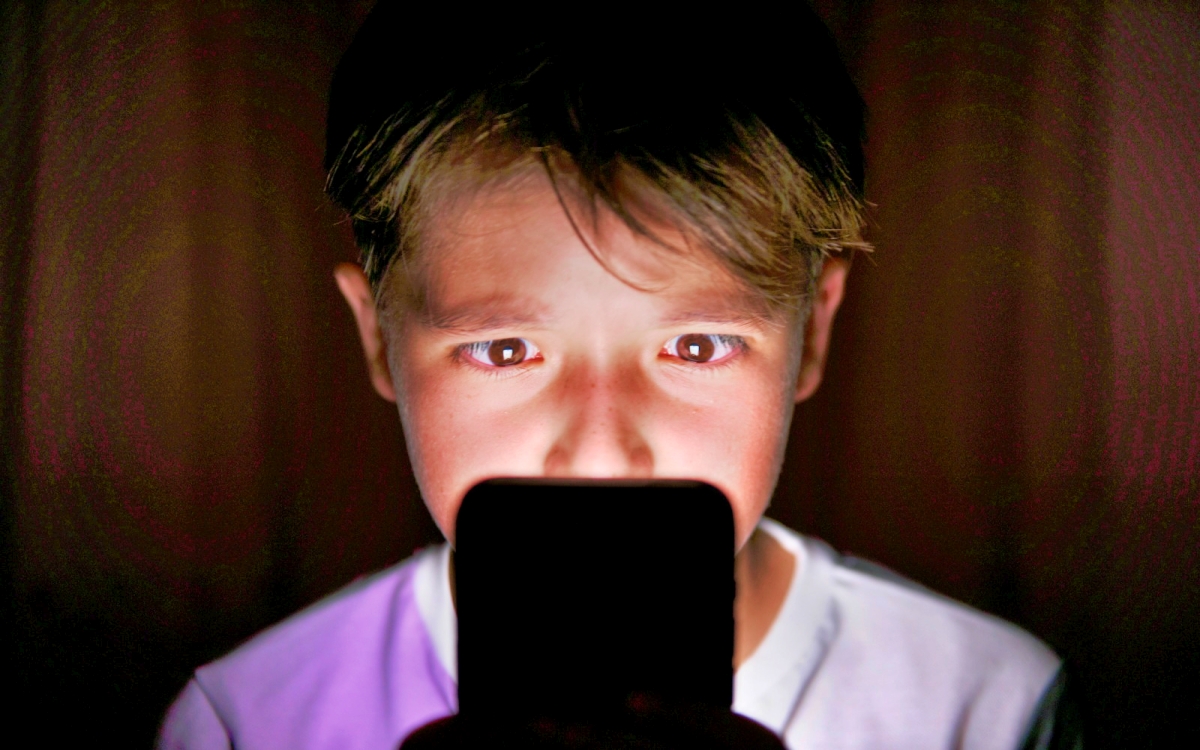
He noted that long hours spent on mobile phones, computers, and other digital devices are putting significant strain on people’s eyes, leading to weaker eyesight at younger ages.
What is the RESAT Programme?
The Refractive Error Situation Analysis Tool (RESAT) is a comprehensive evaluation system developed by the World Health Organization.
It assesses the effectiveness of services, policies, and programmes related to refractive error care in a specific region and provides an evidence-based roadmap to strengthen eye care systems and ensure universal access to quality services.
Rising Burden of Refractive Errors
The report estimates that around 29.5% of Delhi’s population—approximately 6 million people—are affected by uncorrected refractive errors or presbyopia.
The prevalence is particularly high among individuals aged 50 years and above, where nearly 70% of people suffer from these conditions.
Meanwhile, myopia (near-sightedness) is increasing rapidly among school-going children. In New Delhi, the prevalence of myopia among children has reached 13.1%, raising concerns among health experts.
Gender Gap in Eye Care Services
The study also revealed gender disparities in access to vision care services.
In 2024, the effective refractive error coverage was estimated at 59.8% for distance vision and 47.1% for near vision. However, women were found to have lower access to eye care services compared to men.
Shortage of Eye Care Professionals
The report highlighted a shortage of trained eye care professionals in the capital.
Currently, 249 eye care institutions operate in Delhi, including:
- 77.5% in the private sector
- 14.5% in the public sector
- 8% run by non-governmental organizations
Delhi currently has 1,085 ophthalmologists and 489 qualified optometrists or ophthalmic technicians, but this number remains insufficient relative to the city’s population.
The ophthalmologist-to-population ratio stands at 1:18,043, indicating the need for additional specialists.
Gaps in Primary Eye Care Services
The report also found a significant gap in primary-level eye care services.
While the public sector requires 269 primary health centres or Ayushman Arogya Mandirs to provide vision services, only 50 functional vision centres are currently operational across the city.
Reducing Screen Time Key to Protecting Children’s Vision
Health experts emphasize that strengthening primary eye care services, promoting regular eye examinations, and controlling children’s screen time are critical steps to address the growing vision health crisis.
They say early diagnosis and timely treatment can help prevent long-term vision impairment and improve overall eye health in the population.