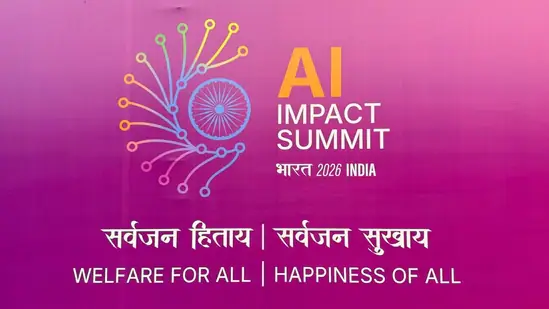
New Delhi: The number of countries and international organisations endorsing the ‘New Delhi Declaration’ adopted at the AI Impact Summit 2026 has increased to 91, the Ministry of Electronics and Information Technology (MeitY) announced on Tuesday.
The summit, held in New Delhi last week, concluded with the adoption of the New Delhi Declaration, marking a major milestone in global cooperation on Artificial Intelligence (AI).
91 Countries and Organisations Back Global AI Cooperation
According to the ministry, as of February 21, 2026, a total of 88 countries and international organisations had supported the declaration. Subsequently, Bangladesh, Costa Rica, and Guatemala joined the initiative, raising the total number of signatories to 91.
The declaration reflects a broad global consensus on leveraging AI for economic growth and social welfare. Inspired by the principle of “Sarvajan Hitaya, Sarvajan Sukhaya” (for the welfare of all), it emphasizes that the benefits of AI must reach all of humanity equitably.
Focus on Inclusive, Trusted and Sovereign AI Framework
An official statement highlighted that the declaration calls for:
- Strengthened international cooperation and multi-stakeholder participation
- Respect for national sovereignty
- Advancement of accessible and trusted AI frameworks
- Promotion of open-source and inclusive AI ecosystems
- Development of energy-efficient AI infrastructure
The declaration also underscores AI’s transformative role in economic development, science, governance, and public service delivery.
Digital Infrastructure and Global Access Key to AI Growth
The statement emphasized that robust digital infrastructure and affordable, meaningful connectivity are essential for implementing AI effectively and unlocking its full potential.
Guided by the philosophy of “Vasudhaiva Kutumbakam” (the world is one family), the declaration recognizes the importance of making AI resources affordable and accessible so that all countries can develop, adopt, and utilize AI for the benefit of their citizens.
It further stresses that advancing safe, reliable, and resilient AI systems is fundamental to building trust and maximizing societal and economic benefits worldwide.