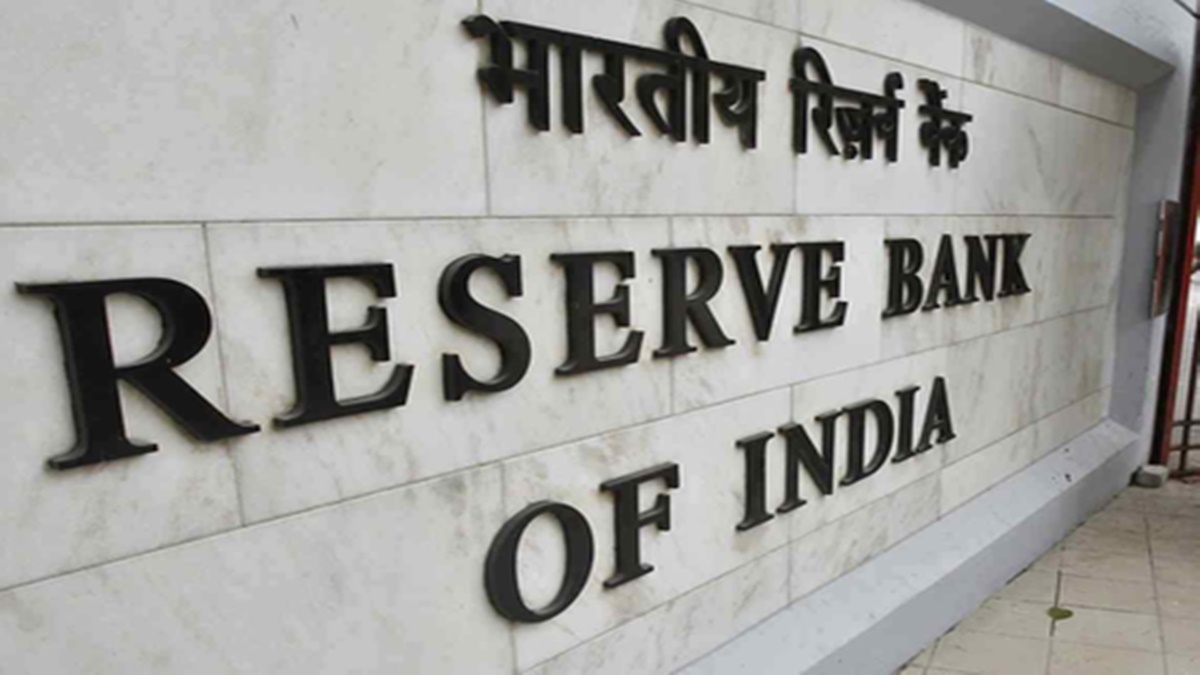
The Reserve Bank of India has introduced a new prudential framework for banks, capping dividend payouts at a maximum of 75% of Profit After Tax (PAT) for most banking institutions.
The new rules aim to link dividend distribution more closely with banks’ capital strength, profitability, and regulatory compliance, ensuring financial stability in the banking sector.
New RBI Directions to Take Effect from FY 2026–27
The central bank issued the “Reserve Bank of India (Commercial Banks – Prudential Norms on Declaration of Dividend and Remittance of Profit) Directions, 2026” on March 10.
The new guidelines will come into force from Financial Year 2026–27 and will replace the earlier directions issued in November 2025.
Under the framework, banks incorporated in India that meet the prescribed eligibility conditions can declare dividends, but total payouts cannot exceed 75% of Profit After Tax for the relevant financial period.
Conditions Banks Must Meet Before Declaring Dividends
According to the RBI, banks must satisfy several prudential conditions before distributing dividends or remitting profits.
Key requirements include:
- Compliance with regulatory capital requirements at the end of the previous financial year
- Continued compliance with capital norms in the year the dividend is proposed
- Ensuring capital levels remain above regulatory requirements even after dividend payments
Additionally, banks incorporated in India must report positive adjusted Profit After Tax for the period in which the dividend is proposed.
For foreign banks operating in India through branch mode, a positive PAT is required for the period in which profits are remitted to the head office.
Restrictions and Regulatory Oversight
Banks must also ensure that they are not under any regulatory restrictions imposed by the RBI or other authorities regarding dividend declarations or profit remittances.
The central bank has emphasised the role of bank boards in ensuring compliance with the prudential framework, including adherence to eligibility criteria, payout limits, and reporting obligations.
Dividend Limits for Different Bank Categories
The RBI has extended similar prudential norms to other categories of banks.
- Small Finance Banks and Payment Banks: Dividend payouts capped at 75% of PAT, subject to regulatory compliance
- Local Area Banks and Regional Rural Banks (RRBs): Allowed to declare dividends up to 80% of PAT, provided prudential conditions are met
All banks must maintain adequate regulatory capital levels before and after dividend payments and report positive adjusted profits for the relevant financial year.
Profits Ineligible for Dividend Distribution
The new framework also specifies categories of profits that cannot be used for dividend payments or profit remittances by foreign banks operating in India through branch mode.
The RBI has also introduced reporting requirements and restrictions on dividend distribution, along with penalties for non-compliance.
Earlier Dividend Norms Repealed
In its notification, the RBI stated that the earlier directions on dividend declaration have been repealed in public interest.
The regulator also issued separate directions for different banking categories, including:
- Payment Banks – Prudential Norms on Declaration of Dividend Directions, 2026
- Local Area Banks – Prudential Norms on Declaration of Dividend Directions, 2026
- Regional Rural Banks – Prudential Norms on Declaration of Dividend Directions, 2026
- Small Finance Banks – Prudential Norms on Declaration of Dividend Directions, 2026
Changes for Foreign Bank Subsidiaries
The RBI has also amended the guidelines for wholly owned subsidiaries (WOS) of foreign banks operating in India.
Under the revised rules, such subsidiaries will be allowed to declare dividends in the same manner as domestic banks.
These amendments will also take effect from FY 2026–27, aligning dividend policies across different categories of banks operating in India.